We welcome you to the website of NPIT7 conference, organized by the Department of Translation Studies.

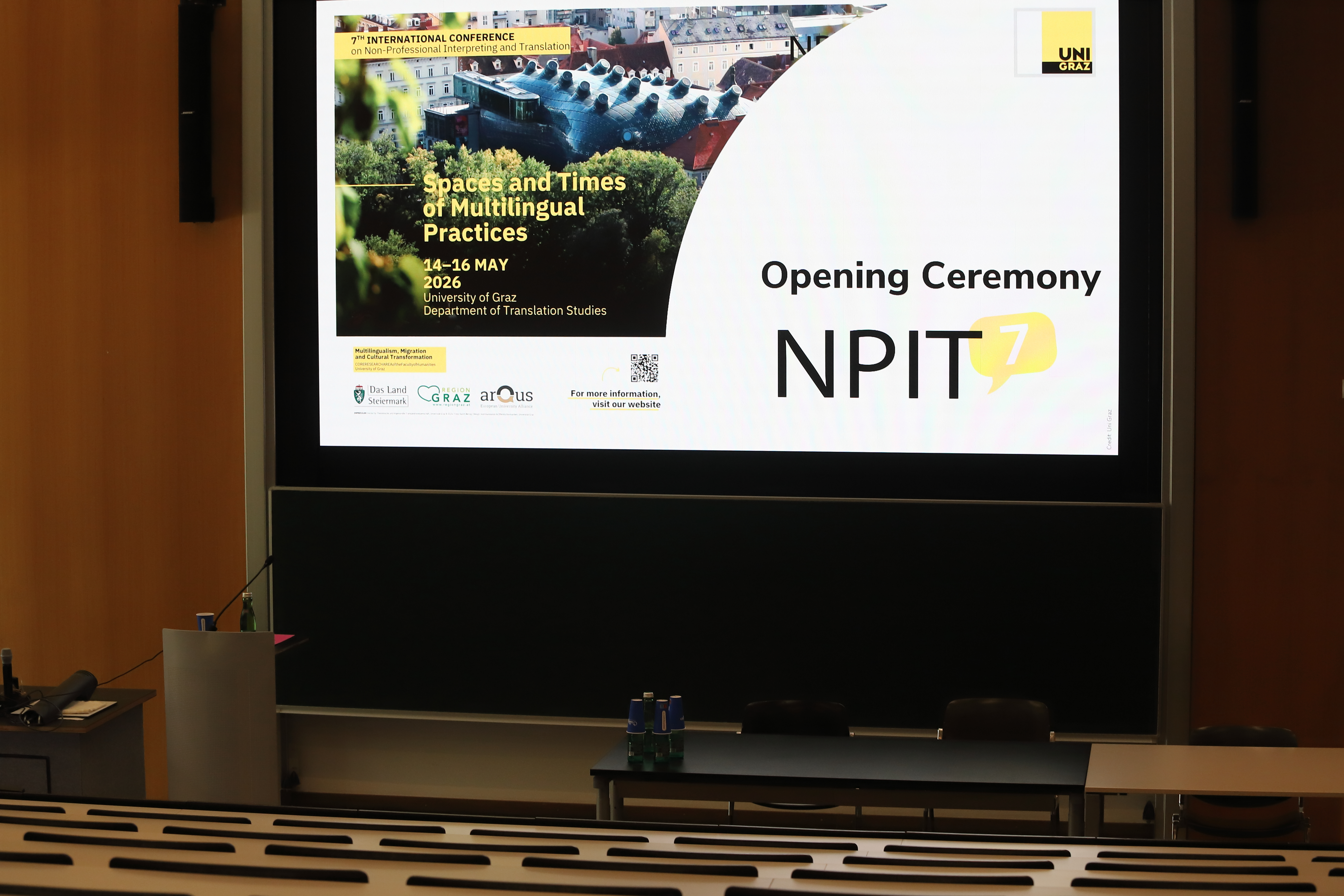
“Spaces and Times of Multilingual Practices” Graz, May 2026
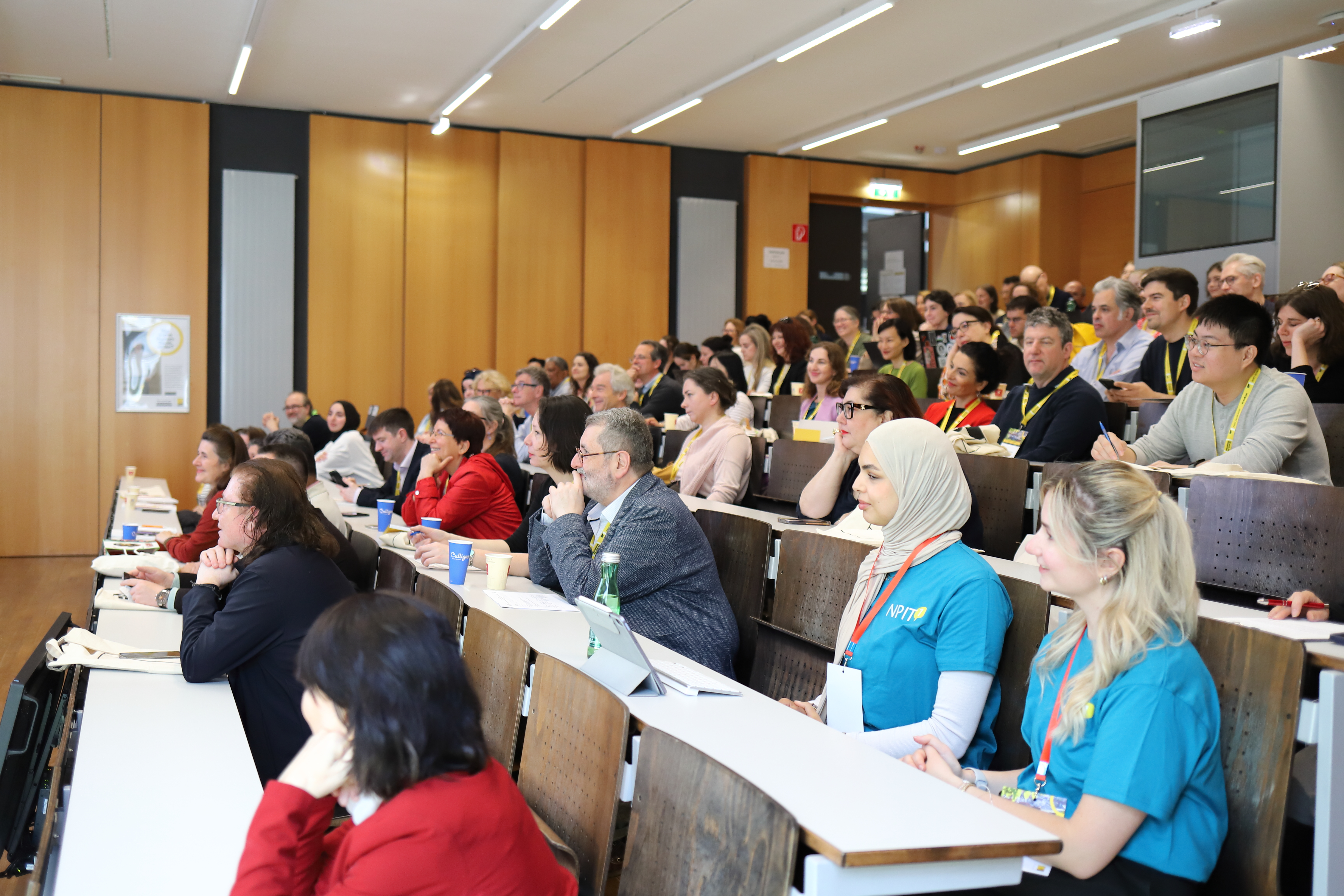
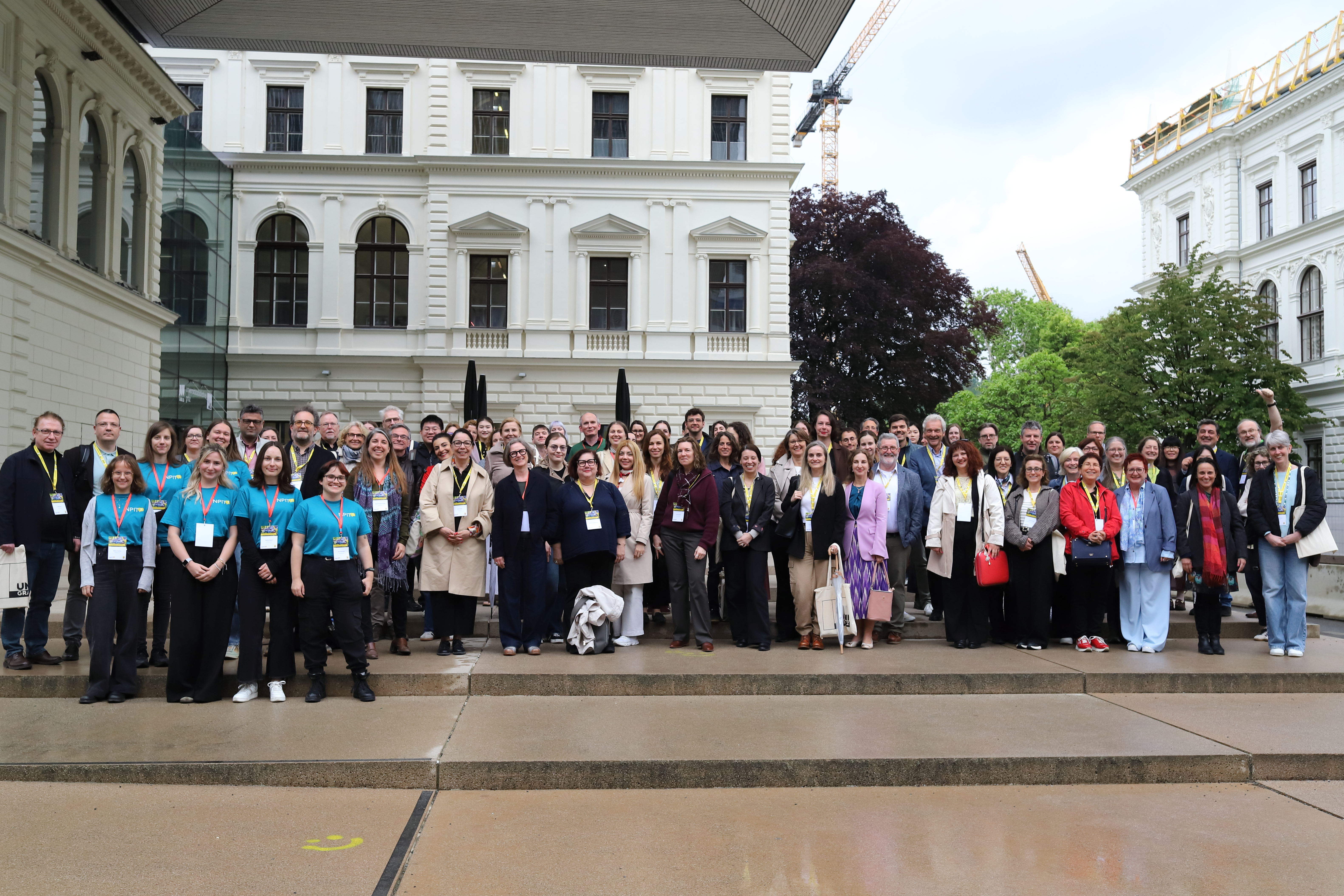
At this year’s NPIT7 conference, “Spaces and Times of Multilingual Practices,” we welcomed a truly diverse, engaged, and committed community of scholars and practitioners from four continents, twenty-seven countries, sixty-seven cities, and across seven time zones. This remarkable diversity highlights the global significance of multilingual practices and the importance of collaboration beyond national boundaries. Graz, with its rich cultural heritage and long history as a crossroads of languages and traditions, provided an inspiring backdrop for stimulating papers, lively discussions, and warm conversations.
The NPIT conference series has a distinguished history, beginning with its inaugural event in Forlì in 2012. Since then, the series has fostered fruitful exchanges in Mainz/Germersheim (2014), Zurich (2016), Stellenbosch (2018), Amsterdam & Utrecht (2021), and Nikosia (2023). In 2026, we were proud to continue this tradition in Graz.
The topic of the NPIT conference series is at the heart of our research areas at Graz. We address non-professional interpreting and translation from the perspectives of history and politics, migration and minorities, as well as ethics and digital transformation. With our research, we also pay tribute to our late head of department, Erich Prunč (1941–2018), whose pioneering concept of “translation cultures” continues to inspire our work. He taught us that translation and interpreting are not merely textual activities, but historically, socially, and culturally constructed practices—professional as well as non-professional and everything in-between—shaped by power dynamics and socially established norms.
In this spirit, NPIT7 was guided by the understanding that non-professional interpreting and translation are dynamic, historically embedded, socially constructed, and performative practices, deeply influenced by migration, exile, diaspora, and globalization. Over three days, participants explored how these practices unfold in diverse settings—educational, medical, legal, or activist contexts. Our discussions encompassed various modes and modalities as well as multimodal interaction: from written forms such as theological translation to oral practices like child language brokering, and from fansubbing to the use of multilingual communicative AI. Contributions addressed ethical, political, ideological, and conceptual questions, as well as methodological debates and training frameworks.
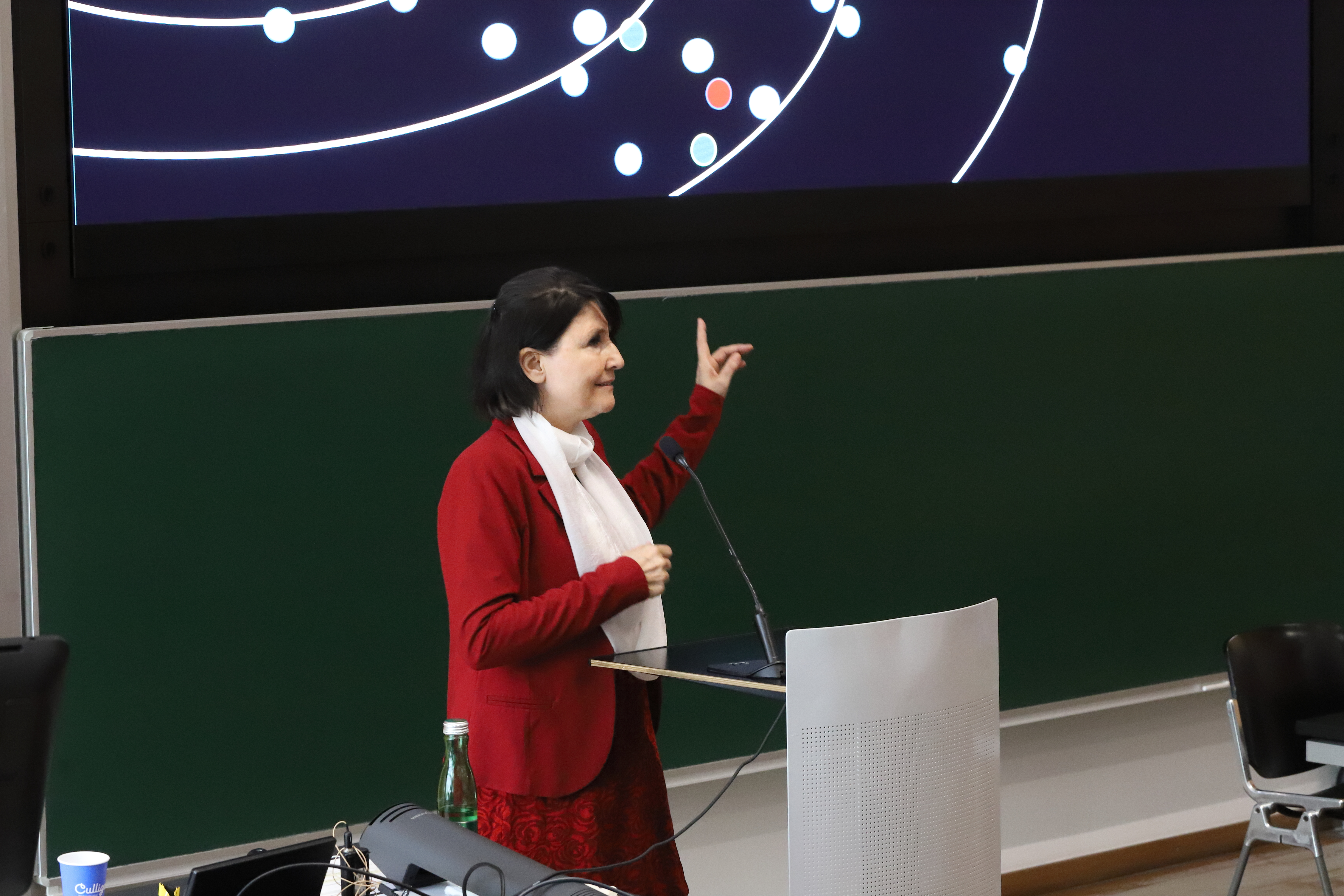
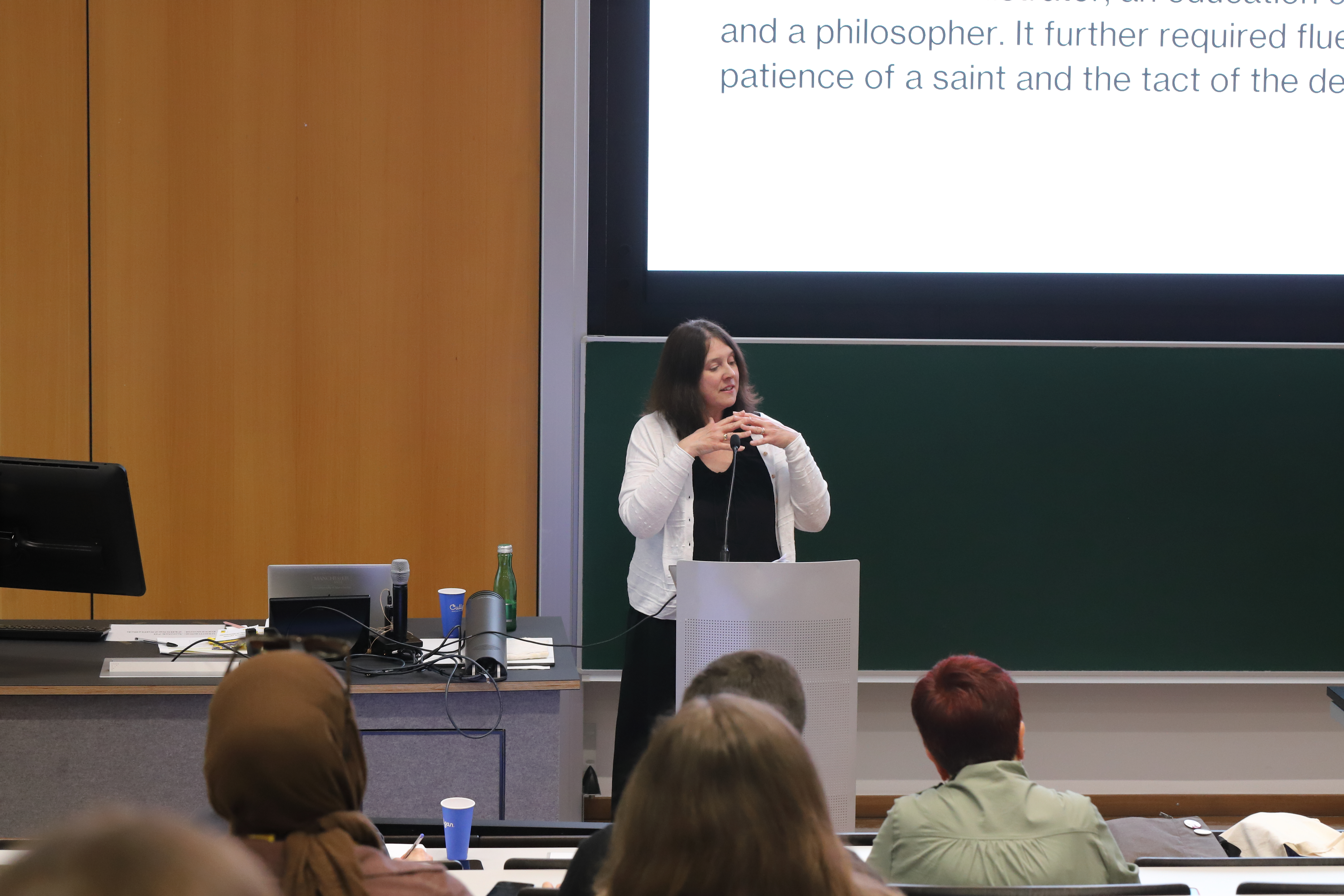
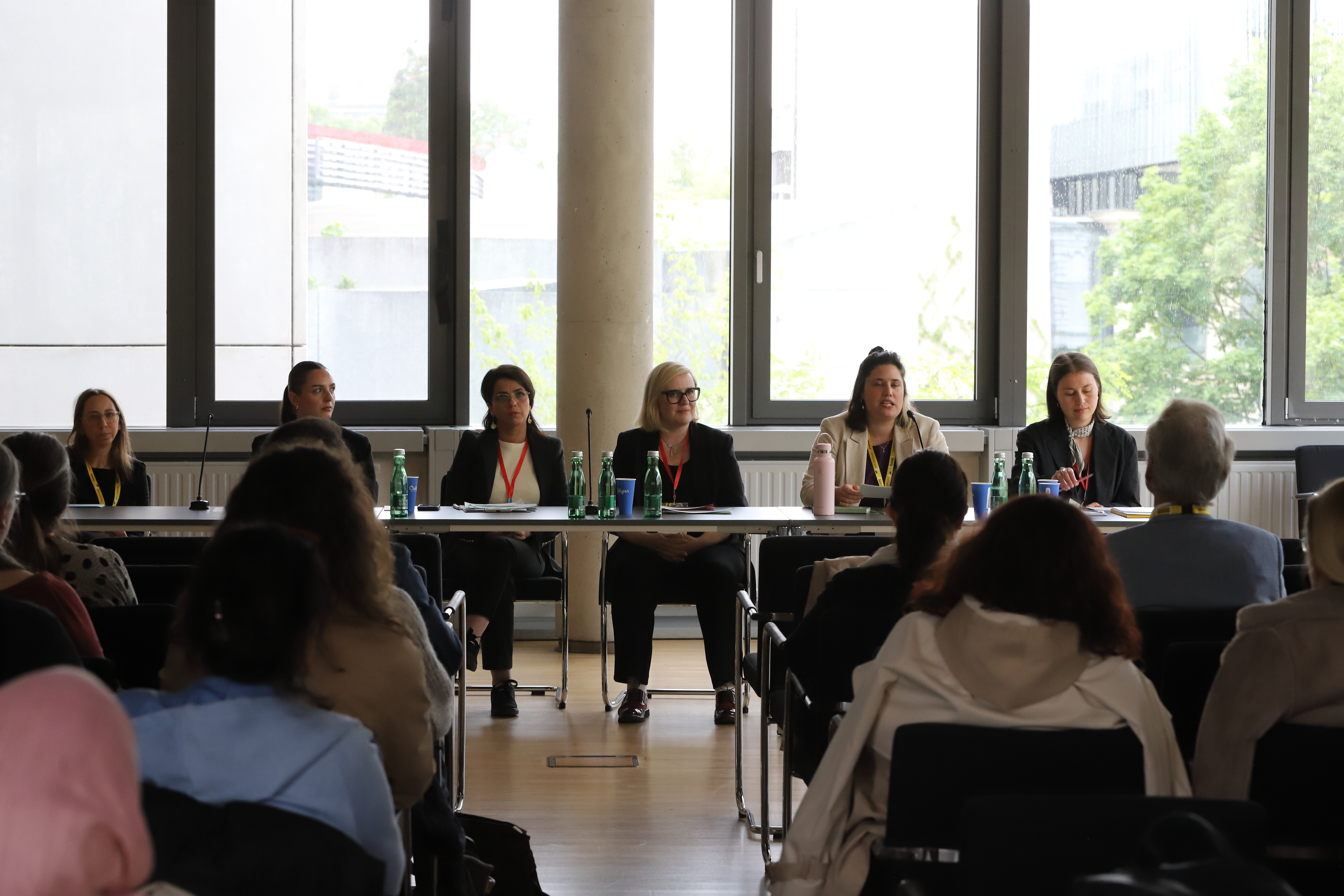
NPIT7 featured a rich and varied programme, including keynote lectures by Katharina Brizić (“Translating into the unspeakable. How students gain audibility through interpreting”) and Rebecca Tipton (“From citizen linguists to…? Why history matters for understanding non-professional translation and interpreting”). We were also pleased to present the roundtable session “NPIT in Austria – Young researchers and their commitment to society,” which showcased innovative work by emerging Austrian scholars Ines Buchegger, Azar Najafi Marboyeh, Anna Sourdille, Marie Tschurtschenthaler, Simone Uran, and Christina Hochfellner.
Throughout the conference, participants had the opportunity to engage in a variety of formats, including sessions with individual papers, thematic panels, as well as dynamic fishbowl and roundtable discussions, ensuring lively and interactive exchanges.
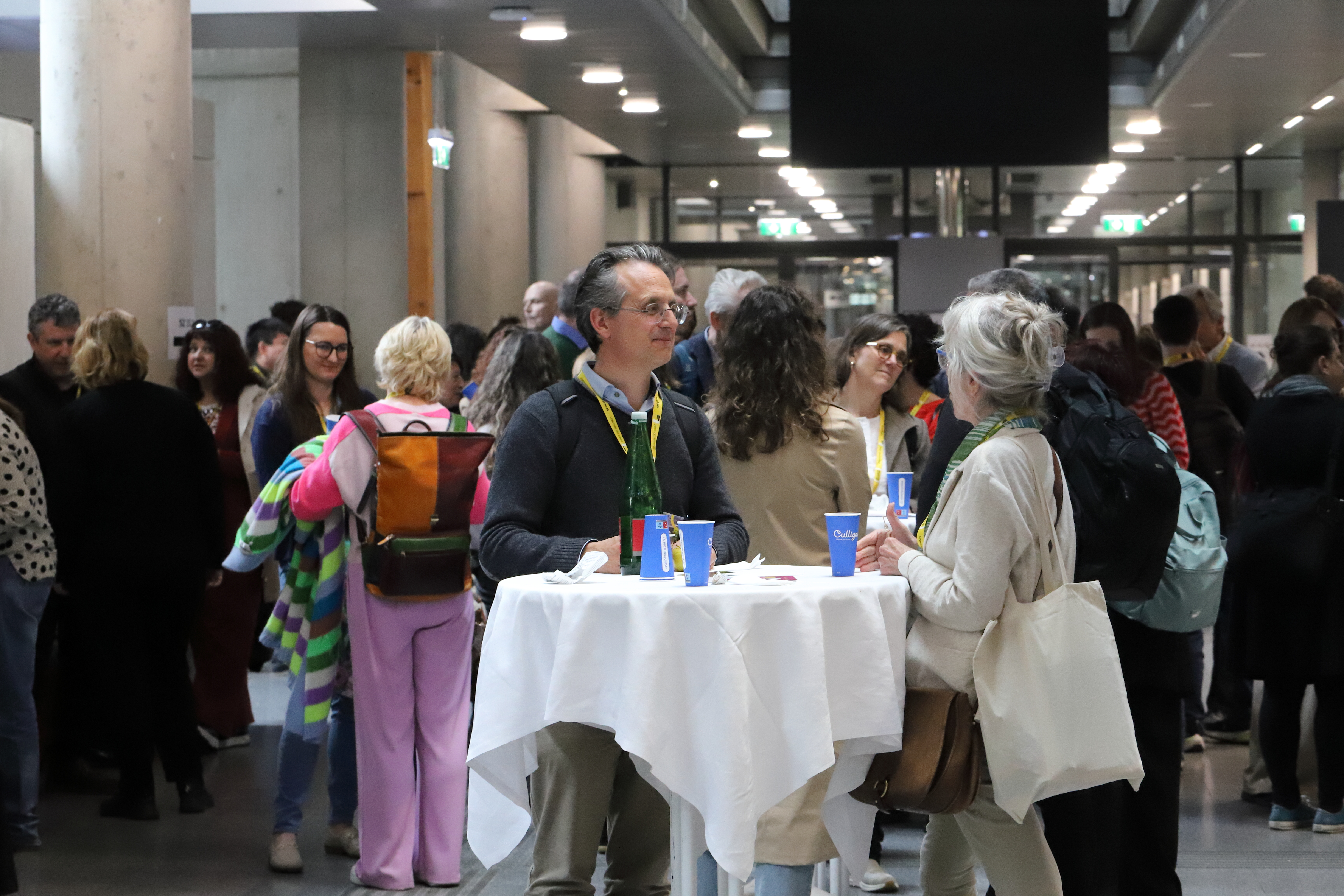
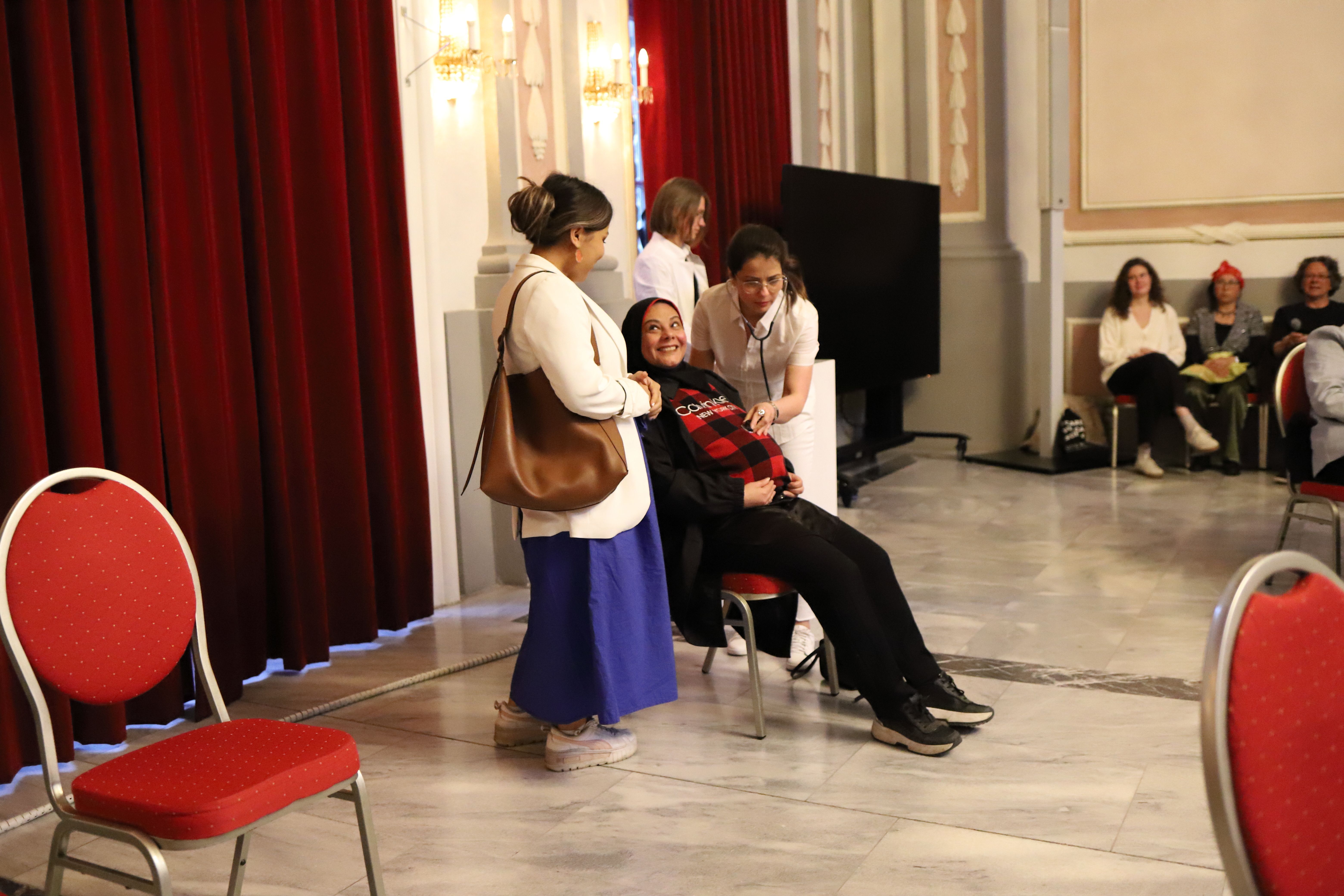
Our first conference day culminated in a reception featuring the interactive performance, “Die gute Dolmetscherin von Graz.” This unique event took place in the baroque palace Meerscheinschlössl. Our conference dinner was held at the Schlossberg restaurant, which offered breathtaking views of the city skyline and provided ample opportunity for networking and exchanging ideas in a relaxed atmosphere.
Acknowledgements
We extend our heartfelt thanks to all participants for their inspiring presentations, engaging discussions, and informal exchanges, which made NPIT7 a truly enriching event.
We are also grateful to the scientific committee for their expertise in shaping the conference programme.
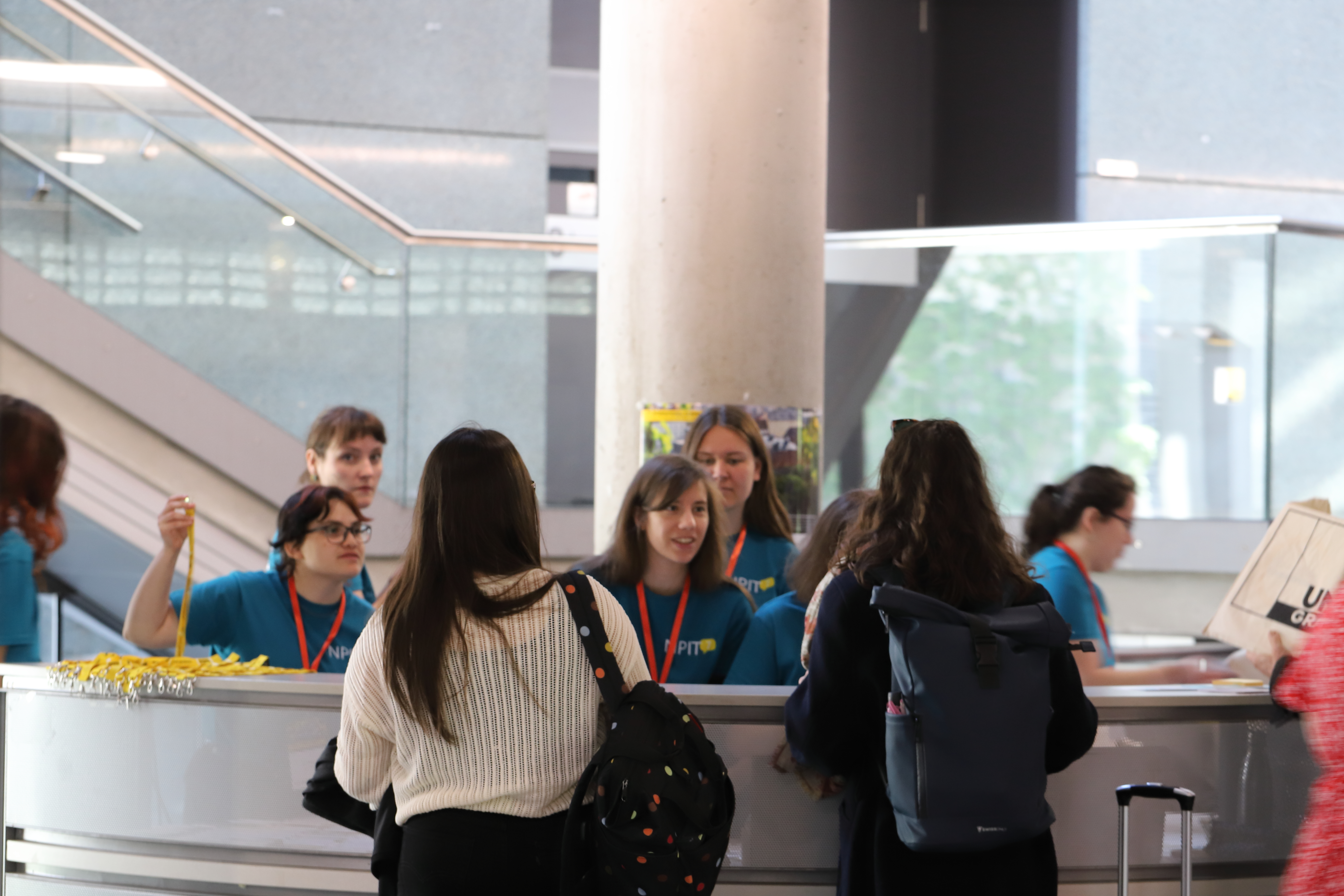
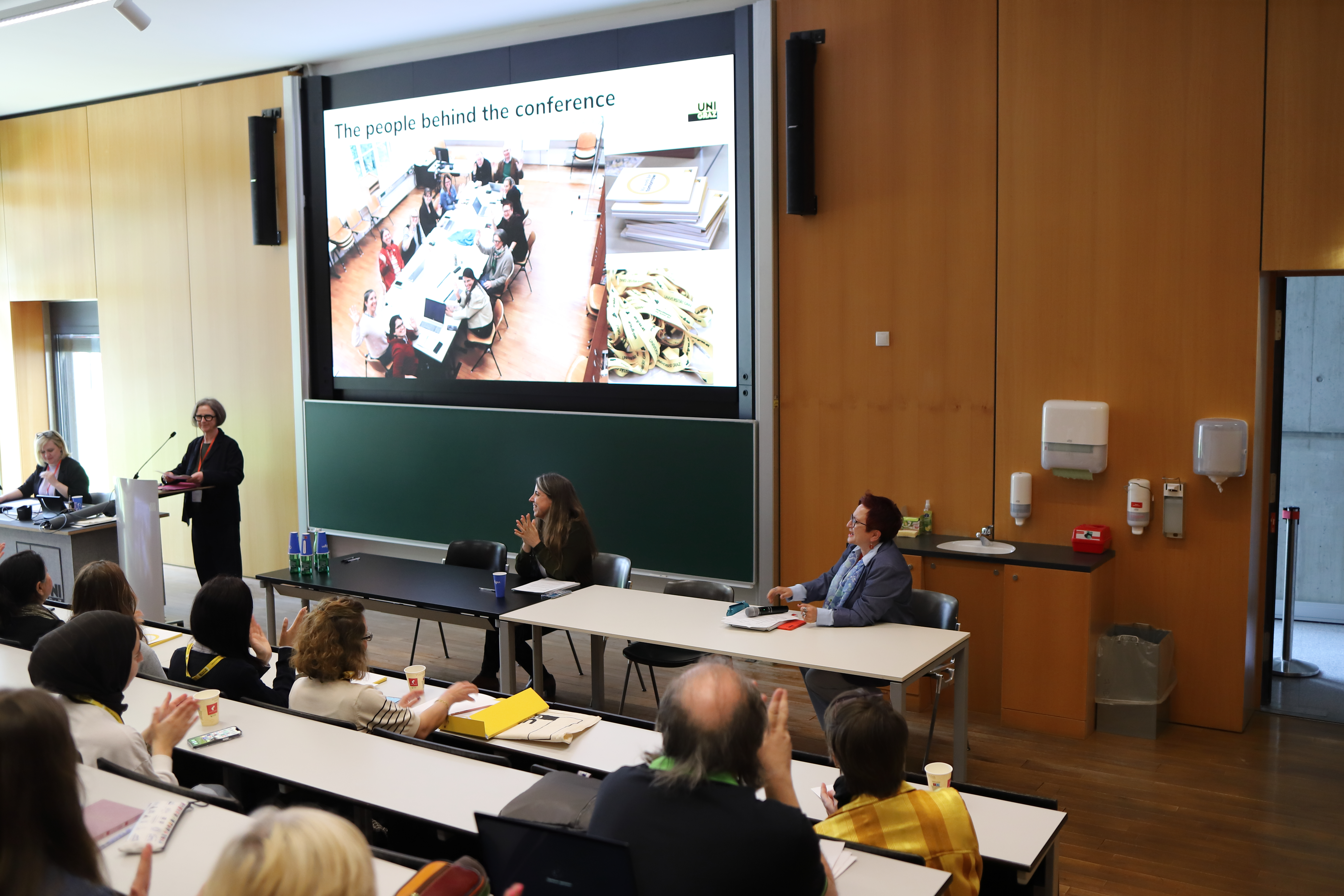
A special thank you goes to our student assistants for their support throughout the event, and to the organizing committee for their creativity and dedication.
By bringing together scholars and practitioners from around the world, NPIT7 was truly successful in strengthening international collaboration, sharing new findings, and learning from the manifold perspectives represented here.
Hosting NPIT7 in Graz was a great pleasure, and we hope all our guests enjoyed their time here as much as we enjoyed welcoming them.
Nadja, Şebnem and Raquel
Contact
Institut für Translationswissenschaft
We would like to thank the event’s sponsors: